Bento Search Concept Page

Sections
HTML elements

Bento Search

Search all of LSU Libraries in one place. This includes the catalog, research guides, scholarly repository, website, etc.

What does bento search?

Bento searches all of the available resources at LSU Libraries. Please note that while Discovery does include Catalog results, the dedicated Catalog search can still be accessed.

Discovery
Searches our local print and electronic materials including e-books, journal articles, peer-reviewed articles, news, and magazines.
Research Guides
Searches the full-text of research guides published by LSU Libraries. A research guide is a curated, librarian‑built document that pulls together the most important resources for a topic, course, or assignment. It’s designed to help students, faculty, and researchers quickly find high‑quality, relevant information without having to sift through everything on their own.
Scholarly Repository
Searches the full-text of the Scholarly Repository. The LSU Scholarly Repository collects, preserves, publishes, and makes openly accessible the research and scholarship contributed by LSU faculty, staff, students, and units. Research and scholarly archived materials can include articles, monographs, books, theses & dissertations, audio-visual presentations, working papers, technical reports, conference proceedings, special collections, data, and publicly funded research.
Hours
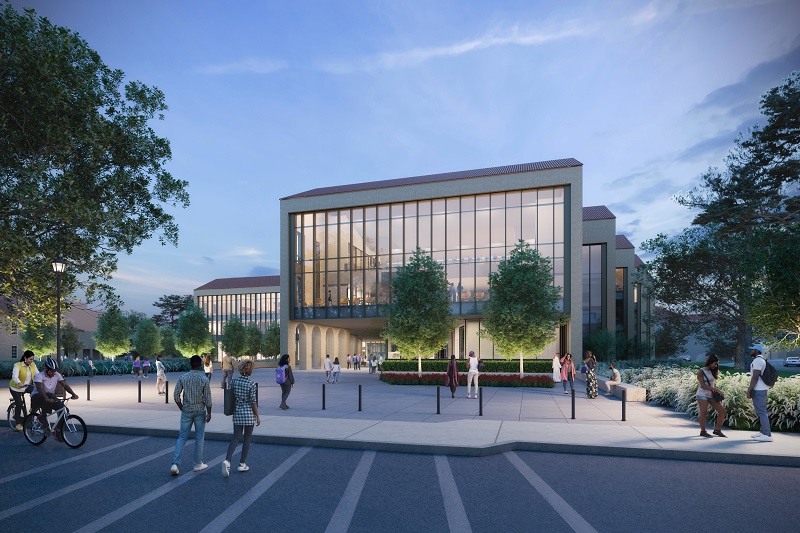
Main Library
Hill Memorial Library
See full hours
110 years of rice breeding at LSU: realized genetic gains and future optimization
KEY MESSAGE: Strategic resource allocation in breeding programs is key to balancing cost-effectiveness and genetic improvement. This research aimed to understand the critical role of adopting advanced breeding tools and optimizing breeding strategies to ensure the sustainability and success of public breeding programs in meeting future food security challenges. In this context, there are two main objectives: estimate the genetic gains achieved over 110 years in the rice breeding program of Louisiana State University (LSU); evaluate through stochastic simulations the impacts of modern selection tools such as genomic selection (GS) and high-throughput phenotyping (HTP) on future genetic gains. Considering the 110 years, the average increase was 4.55 kg/ha per generation (23 breeding cycles). However, from 1994 to 2018, we observed more substantial trends in genetic gains, particularly for grain yield, which increased by approximately 56.54 kg/ha per year. Based on simulations, integrating GS and HTP demonstrated significant advantages, including shorter breeding cycles, enhanced selection accuracy, and reduced costs. Also, simulation results showed that this approach yielded the highest response to selection (4.68% per year) due to the synergistic effects of combining advanced phenotyping techniques with GS. Finally, we assessed the effects of balancing the number of parents, crosses, and progeny sizes to maximize genetic gains and maintain genetic variability. Variance component analysis indicated that progeny size had the greatest impact on total variance (36%), followed by the number of crosses (23%) and the number of parents (3.4%). The findings highlight the need for strategic resource allocation in breeding programs to balance cost-effectiveness and genetic improvement.

Archive Records

1788
Processed vs unprocessed collection--what's the difference?
A processed collection has gone through several steps to become a cataloged record, thus available to the researching public. Those steps include a thorough vetting of copyright and restrictions, a verbatim transcription or thorough indexing of the interview including time-stamped calibration, the opportunity for the interviewee to review the transcription, the creation of a finding aid that includes important metadata about the collection, the preservation and optimization of audio files, the creation of user-copies, and cataloging. This process requires the efforts of several LSU Libraries staff members and it has been calculated that for every hour of recording, it takes 35-50 hours to fully process. For a detailed breakdown of the stages and fees associated with archiving oral histories, please see The Oral History Budget. All processed collections are found in the catalog record and many are available on the Louisiana Digital Library. An unprocessed collection is one that has not reached the final stage of completion and is not yet ready to be cataloged. Depending on the stage of processing, more or less of the interview will be available to patrons. See below for the availability of unprocessed collections. An unprocessed collection is not in the catalog record nor the Louisiana Digital Library. A processed collection has gone through several steps to become a cataloged record, thus available to the researching public. Those steps include a thorough vetting of copyright and restrictions, a verbatim transcription or thorough indexing of the interview including time-stamped calibration, the opportunity for the interviewee to review the transcription, the creation of a finding aid that includes important metadata about the collection, the preservation and optimization of audio files, the creation of user-copies, and cataloging. This process requires the efforts of several LSU Libraries staff members and it has been calculated that for every hour of recording, it takes 35-50 hours to fully process. For a detailed breakdown of the stages and fees associated with archiving oral histories, please see The Oral History Budget. All processed collections are found in the catalog record and many are available on the Louisiana Digital Library. An unprocessed collection is one that has not reached the final stage of completion and is not yet ready to be cataloged. Depending on the stage of processing, more or less of the interview will be available to patrons. See below for the availability of unprocessed collections. An unprocessed collection is not in the catalog record nor the Louisiana Digital Library. Answered by: Jennifer Cramer
What are Special Collections?
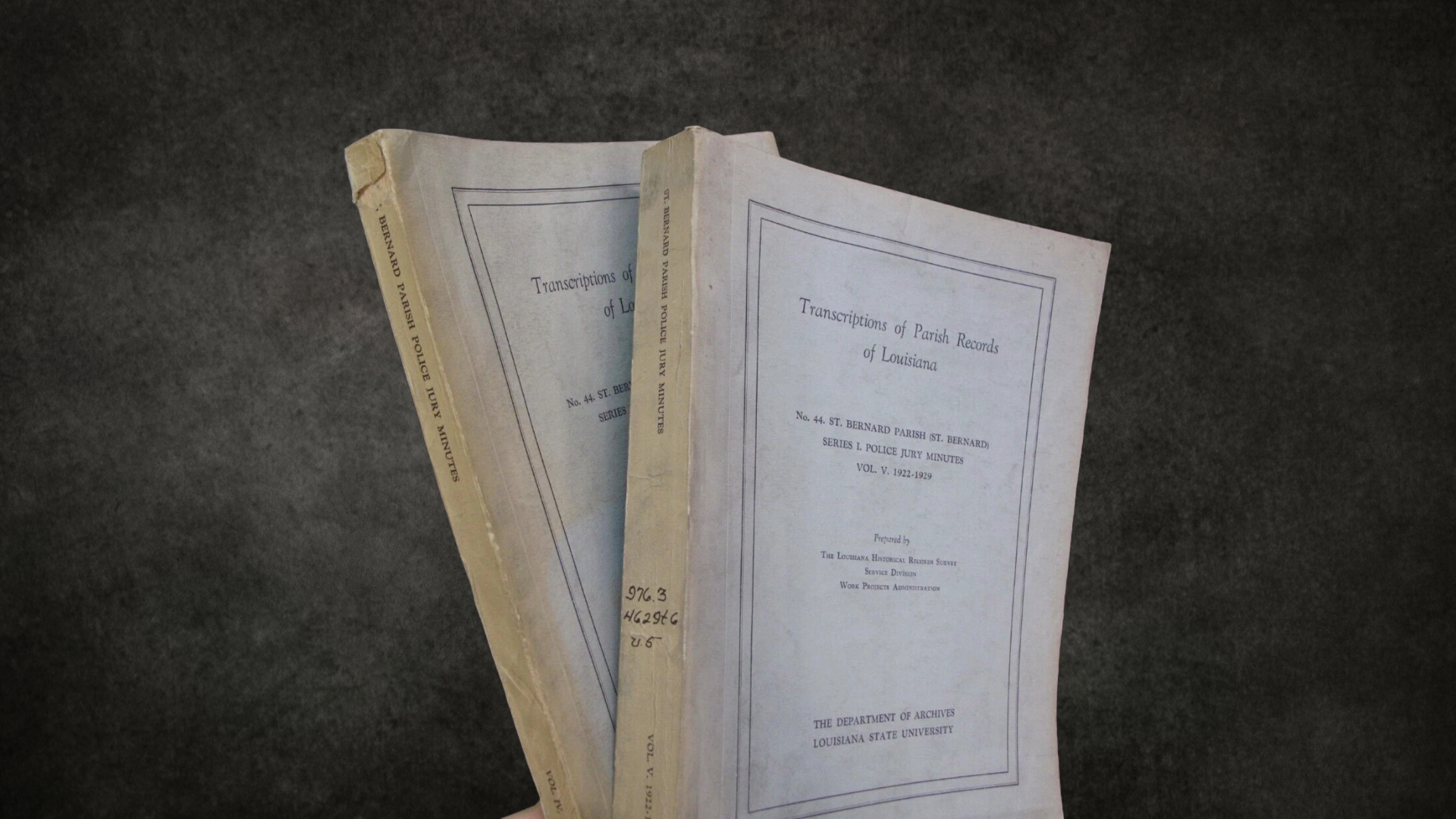
Special collections refer to unique materials that provide both primary and secondary sources to people conducting original research. Our collections are special due to their scarcity or rarity, historical value, monetary value, or research value. Archives are collections of original records created throughout the lifespan of a person, family, organization, or business. These materials essentially provide evidence of the activities, events, functions, and/or responsibilities of the creator(s). Archives and special collections differ from libraries in the types of materials collected and the ways in which they are acquired, organized, described, and made publicly accessible. These differences prompt us to create specific policies and procedures to ensure that our collections can continue to be used for decades or even centuries to come. Special collections refer to unique materials that provide both primary and secondary sources to people conducting original research. Our collections are special due to their scarcity or rarity, historical value, monetary value, or research value. Archives are collections of original records created throughout the lifespan of a person, family, organization, or business. These materials essentially provide evidence of the activities, events, functions, and/or responsibilities of the creator(s). Archives and special collections differ from libraries in the types of materials collected and the ways in which they are acquired, organized, described, and made publicly accessible. These differences prompt us to create specific policies and procedures to ensure that our collections can continue to be used for decades or even centuries to come. Answered by: Kelly Larson

Staff

101
Ask Us
AskUs Homepage
Hidden Tiles
expand
Tile Cover
laptop and books
Accounts listing
expand
Tile Cover
People troubleshooting on a computer
Ask Us
Service
Tile Short Summary
Check our FAQs, submit a question using our form, or launch the chat widget to find help.