This website uses cookies to ensure site visitors get the best experience on our website. By continuing to use this site, you accept our use of cookies and Privacy Statement. To learn more, please visit LSU Privacy Statement.
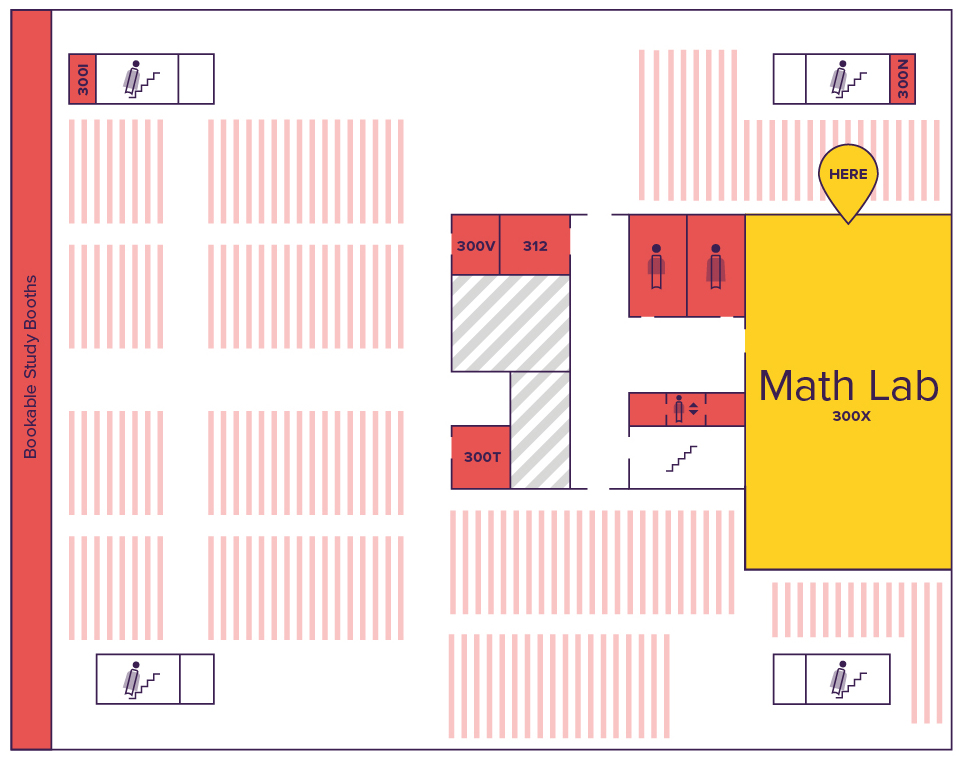
Math Lab Rooms located in the Main Library in rooms 300X and 300Y
Tile Cover
Link copied
Math Lab
https://lib.lsu.edu/spaces#mathlab
Tile HTML Summary
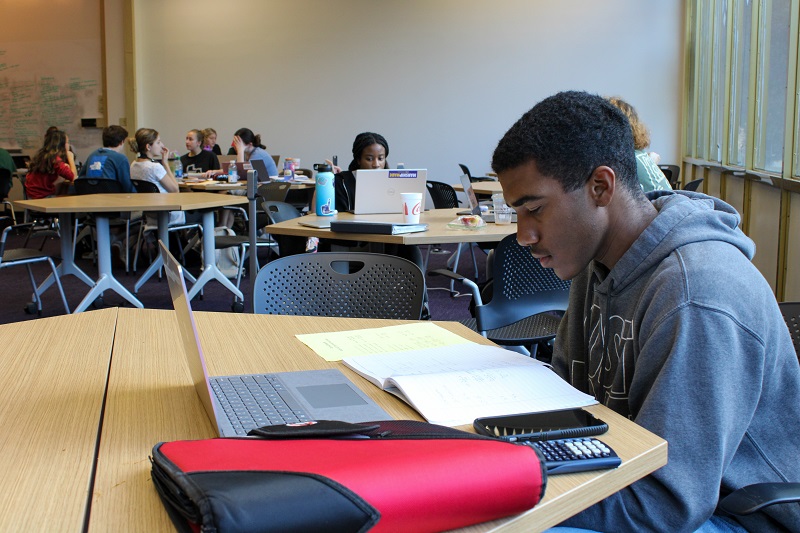
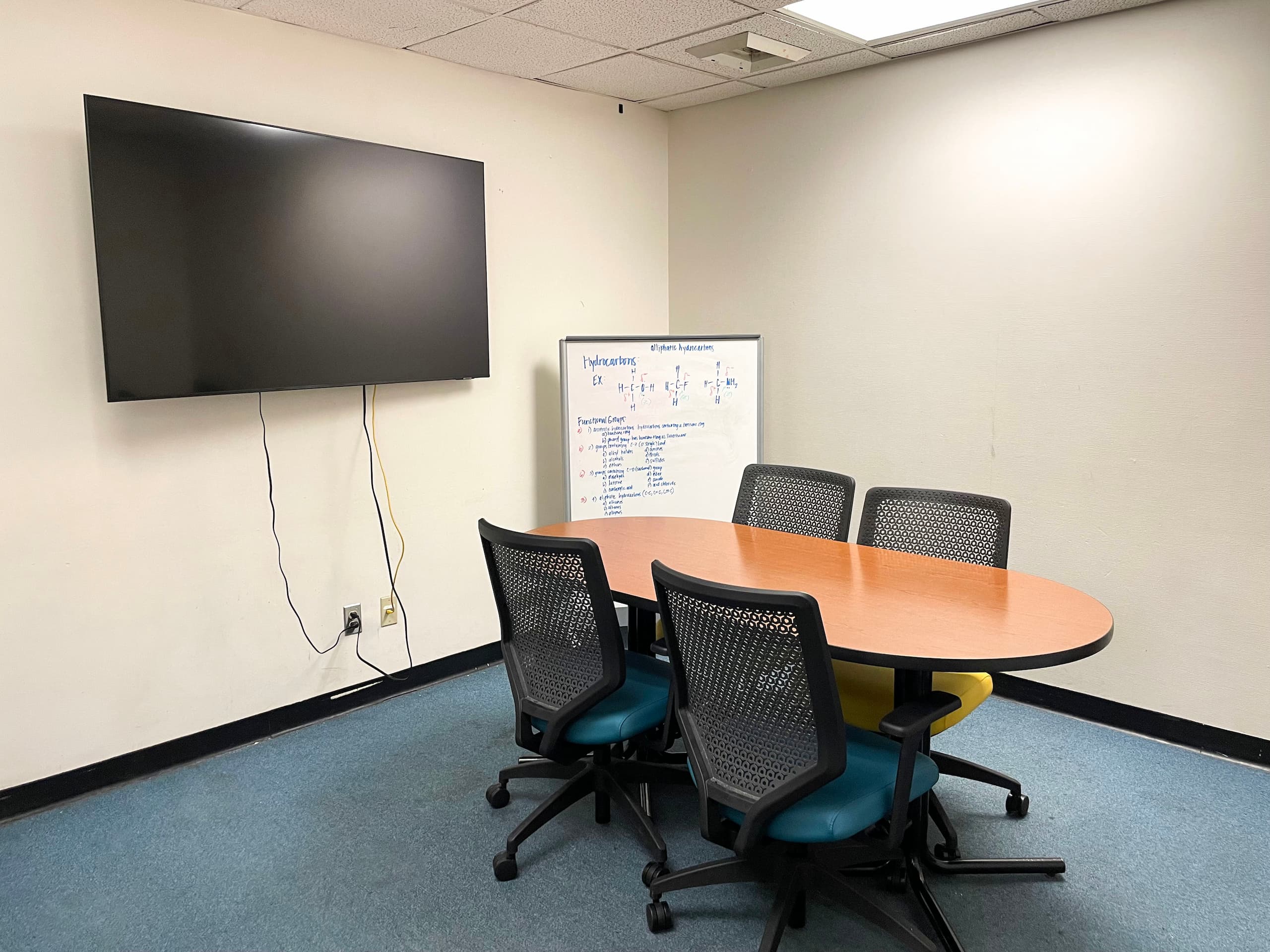
Math Lab Rooms located in the Main Library in rooms 300X and 300Y are explicitly reserved for students currently enrolled in MATH 1020, 1021, or 1022 and is brought to you by ITS and the Student Tech Fee.
Located at the first floor of the LSU Main Library.
Tile Cover
Link copied
CC's Coffee House
https://www.ccscoffee.com/locations/lsu-library
Tile HTML Summary
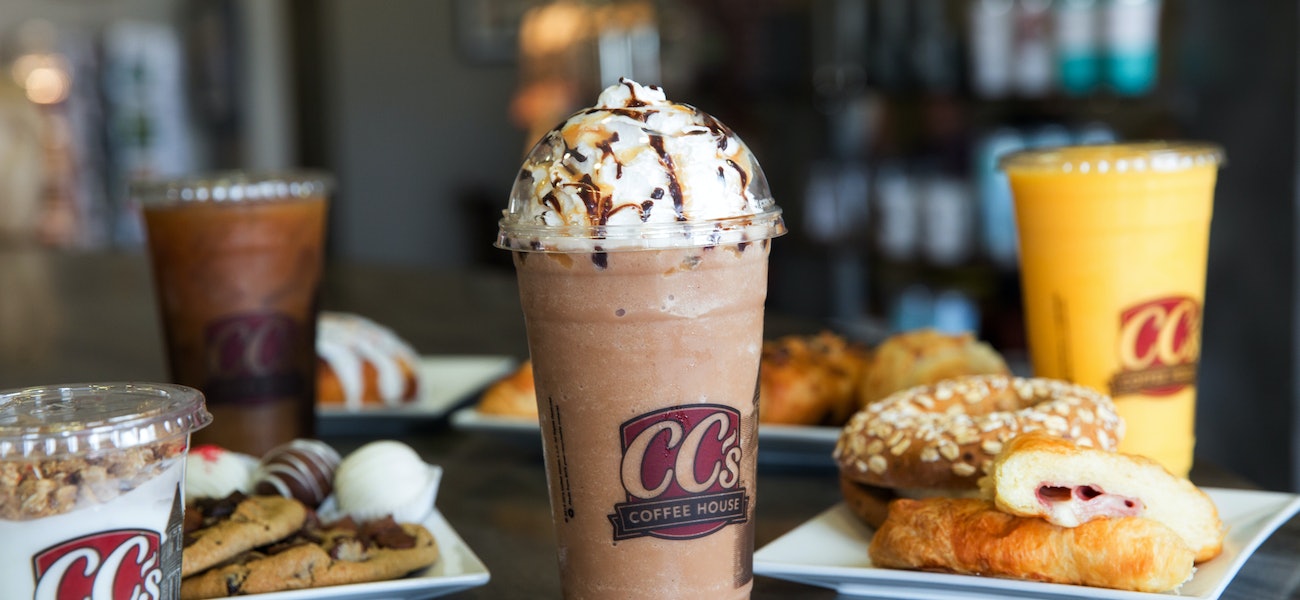
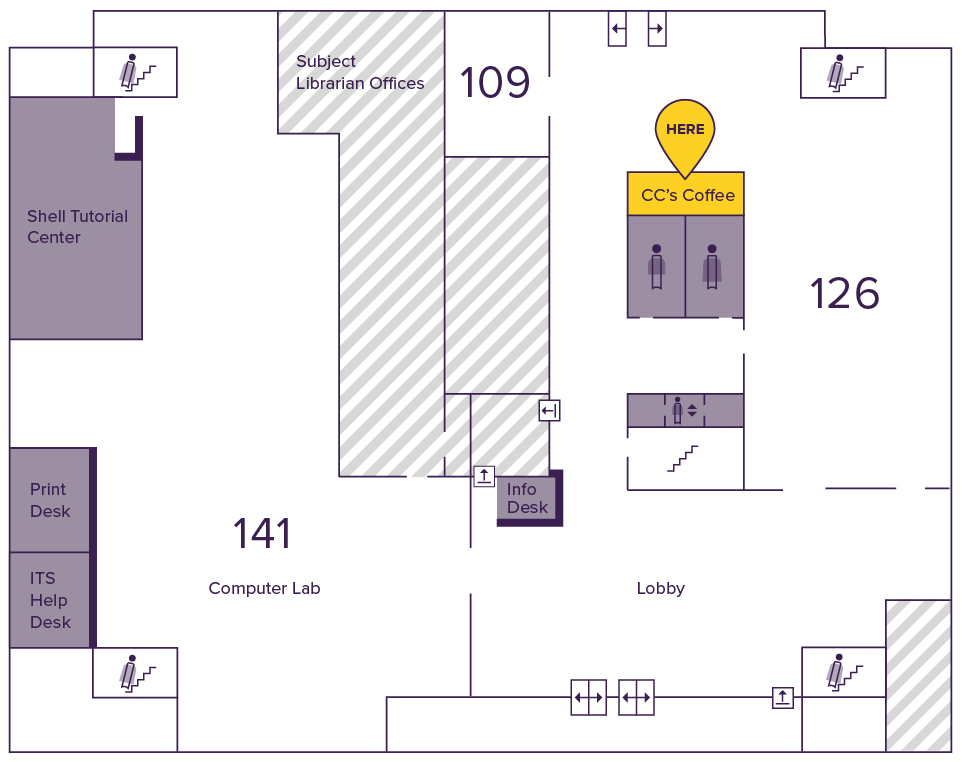
Louisiana-based coffeehouse chain selling a variety of brews & pastries in a relaxed setting. For CCs hours and information on LSU dining Dine On Campus || Hours of Operation.
With administrative oversight for all aspects of library operations, the Dean provides vision for strategic planning and sets policy direction for library services, facilities, and collection development. The Dean also has primary responsibility for guiding and encouraging the development of consortia and collaborative agreements between libraries and with other units on campus, supporting grant writing, and spearheading development efforts.
Experience
Experience
Dean, LSU Libraries, Louisiana State University, 2014 to present
University Librarian, University of North Carolina, Charlotte, 2009 to 2014
Associate Dean, Information Management Services, University of Rochester, 2003 to 2009
Assistant Dean, Information Management Services, University of Rochester, 1999 to 2003
Assistant Dean for Technical and Financial Services, Louisiana State University, 1994 to 1999
Assistant to the Dean for Administrative Services, Louisiana State University, 1989 to 1994
Architecture and Art Library, Acting Head, University of Illinois at Chicago 06/1986 to 1988
Resident University of Illinois at Chicago, 1985
Education
Education
Masters in Business Administration, University of Illinois at Chicago. 1989
Masters in Library and Information Science, Columbia University. 1985
Bachelor of Arts, English, University of Wisconsin, Madison. (Graduated with Distinction) 1982
Presentations
Presentations
Selected Presentations
Wilder, S. (2016). Delayed Retirements, Muted Hiring, and ARL Directors: ARL Professionals in 2015, presented at Association of Research Libraries Fall Meeting, September 27, 2016.
Wilder, S. Library Staffing Transition. Webcast produced by the Association of Research Libraries, November 4th, 2013. https://goo.gl/rvIizV
Wilder, S. Stanley Wilder, Dean of Libraries, University of North Carolina at Charlotte. Interview conducted by the Charleston Conference, published January 30, 2013. https://goo.gl/F9yCXW
Wilder, S. (2012). The Academic Library Workforce in Transition: New Results from the 2010 ARL Demographic Data.” ARL-ACRL Human Resources Symposium, Washington, DC.
Wilder, S. (2010). Welcome to the Starting Line. Commencement address, Library and Information Science Department, UNC Greensboro.
Wilder, S. (2006). The Emperor Has No Clothes: Be it Resolved That Information Literacy is a Fad and a Waste of Librarians’ Time and Talent.” Debate produced for the Association of College and Research Libraries’ President’s Program, American Library Association, New Orleans, Louisiana.
Wilder, S. (2005) What Doesn’t Change: The Origin and Implications of the Library’s Education Function. Video produced for the Association of Research Libraries webcast Teaching, Learning, and Research: Libraries and Their Role in the Academic Institution. https://goo.gl/sfZcdv
Publications
Publications
Selected Monographs
Wilder, S. Demographic Change in Academic Librarianship. (Washington, DC: Association of Research Libraries, 2003).
Wilder, S. The Age Demographics of Academic Librarians: A Profession Apart. (Washington, DC: Association of Research Libraries, 1995).
Articles & Chapters
Wilder, S. (2018). “Selected Demographic Trends in the ARL Professional Population.” Research Library Issues, Association of Research Libraries, 295. https://publications.arl.org/rli295/
Wilder, S. (2017). Delayed Retirements and the Youth Movment among ARL Library Profesionals. Association of Research Libraries. https://goo.gl/jqkGeq
Wilder, S. (2017). Hiring and Staffing Trends in ARL Libraries. Association of Research Libraries. https://goo.gl/gN9hjm
Wilder, S. (2013). A Reconsideration of Information Literacy. Communications in Information Literacy, 7(2), 150-153.
Wilder, S. (2013). The end of lower skill employment in research libraries. Library Journal. https://goo.gl/ystHdu
Wilder, S. (2011). The erosion of fair use protections for digital scholarship. Charleston Advisor. https://goo.gl/sVqwd
Wilder, S. (2007). The ARL youth movement: reshaping the ARL workforce. ARL: a bimonthly report on research library issues and actions from ARL, CNI and SPARC.
Wilder, S. (2007). The New Library Professional. Chronicle of higher education, 53(25). https://goo.gl/6URMjA
Wilder, S. (2006). Baker’s Smudges. Library Journal, 131(14), 30-2.
Wilder, S. (2005). Information literacy makes all the wrong assumptions. The Chronicle Review, 51(18). https://goo.gl/0FpCsf
Wilder, S. (2002). Demographic trends affecting professional technical services staffing in ARL libraries. Cataloging & Classification Quarterly, 34(1-2), 51-55.
Wilder, S. (2002). New hires in research libraries: demographic trends and hiring priorities. ARL Bimonthly Report, 221(1).
Wilder, S. (2000). A simple method for producing core scientific and technical journal title lists. Library resources & technical services, 44(2), 92-96.
Wilder, S. (2000). The changing profile of research library professional staff. ARL: A Bimonthly Report on Research Library Issues and Actions from ARL, CNI, and SPARC, 208(209), 1-5. https://goo.gl/VpLVPK
Wilder, S. (1998). Comparing value and estimated revenue of scitech journals. ARL Report, 200. https://goo.gl/X3nOHw
Bensman, S., & Wilder, S. (1998). Scientific and technical serials holdings optimization in an inefficient market: A LSU serials redesign project exercise. Library Resources & Technical Services, 42(3), 147-242.
Wilder, S. (1993). Dr. Litlove, or How I Learned to Stop Worrying and Love Library Literature. American Libraries, 24(7), 662-663.
Service
Service
Selected Service
Chair, Assessment Committee, Association of Research Libraries, 2017-2018
Working Group member, Charlotte Initiative for Permanent Acquisition of eBooks by Academic Libraries. A project funded by the Andrew W. Mellon Foundation, Scholarly Communications Program. 2014-2017
Academic Deans, Louisiana State University
Leadership Team, Louisiana State University
President, Association of Southeastern Research Libraries, 2015-2016
Board member and Treasurer, Louisiana Digital Consortium, 2014-2015
University Library Advisory Council (ULAC), University of North Carolina System, 2009-2014
Assists students and faculty with Research and Collection development in the subject areas of History, English, Political Science, and Women, Gender, and Sexuality Studies.
Education
Education
MLIS-Archival Studies, Louisiana State University, 2021
Graduate Certificate-Archival Studies, Louisiana State University, 2021
MA-European History, Louisiana State University, 2017
BA-History, Louisiana State University, 2015
Publications
Publications
Allen, E., Boyd, J., Costello, D., Holt, M., Huff, C., & Morgan, R. L. (2024). Surviving Not Thriving… Yet: Utilizing Lived Experiences to Improve Onboarding in an Academic Library. Journal of Library Administration, 64(6), 719–734. https://doi.org/10.1080/01930826.2024.2371277
Research Interests
Research Interests
Library programming
Intergenerational approaches to library Instruction and programming
Recreational reading in academic libraries
History of book banning and censorship in the United States.
Access Services Circulation – Student Coordinator at Louisiana State University Libraries, 2017 - Present
Access Services Circulation – Senior Library Associate – Student Coordinator at Auburn University at Montgomery, 2010-2017
Access Services Circulation and Technical Services – Library Associate 3 – Library Assistant at George H Jones Jr. Law Library Faulkner University, 2008-2010
Access Services Multimedia and Music Library – Library Associate 3 – Student Supervisor at Earl K. Long Library at the University of New Orleans, 2003-2006
Education
Education
University Of New Orleans, Bachelor of Arts – General Studies – Sociology Concentration, 2001







)
)
)
)
)
)