Banner [Small]

Test out our new Bento Search

test area
x
# results
shortcut
Sections
HTML elements
Section Tiles
expand
Tile Cover
Mouse
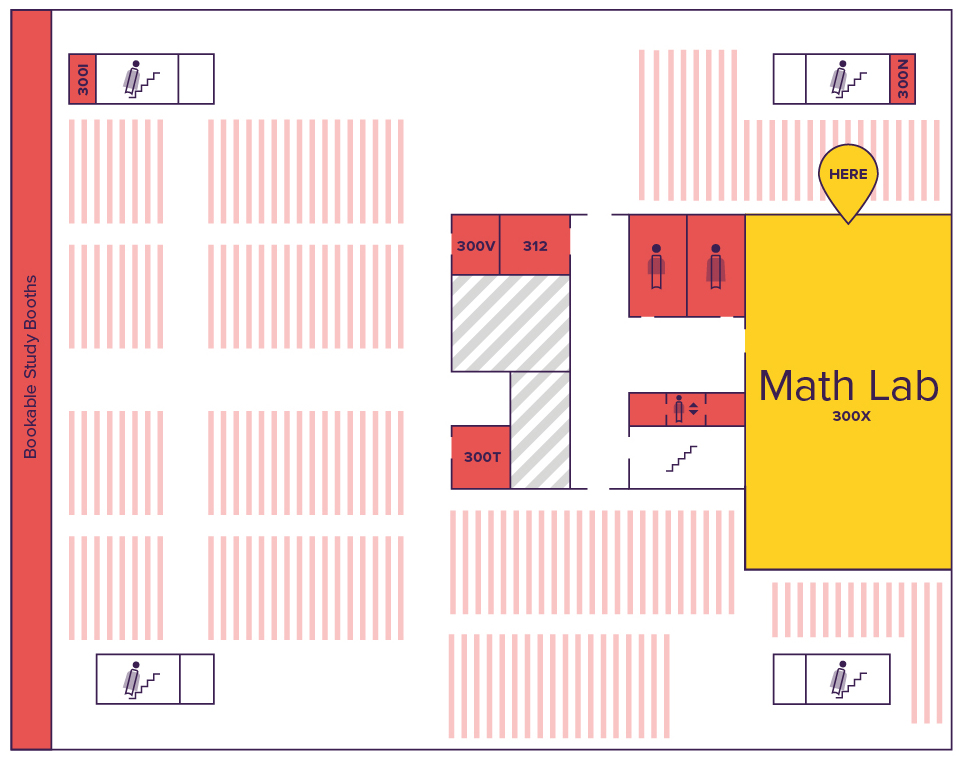
Math Lab
Space
Tile Short Summary
Math Lab Rooms located in the Main Library in rooms 300X and 300Y
expand
Tile Cover
coffee
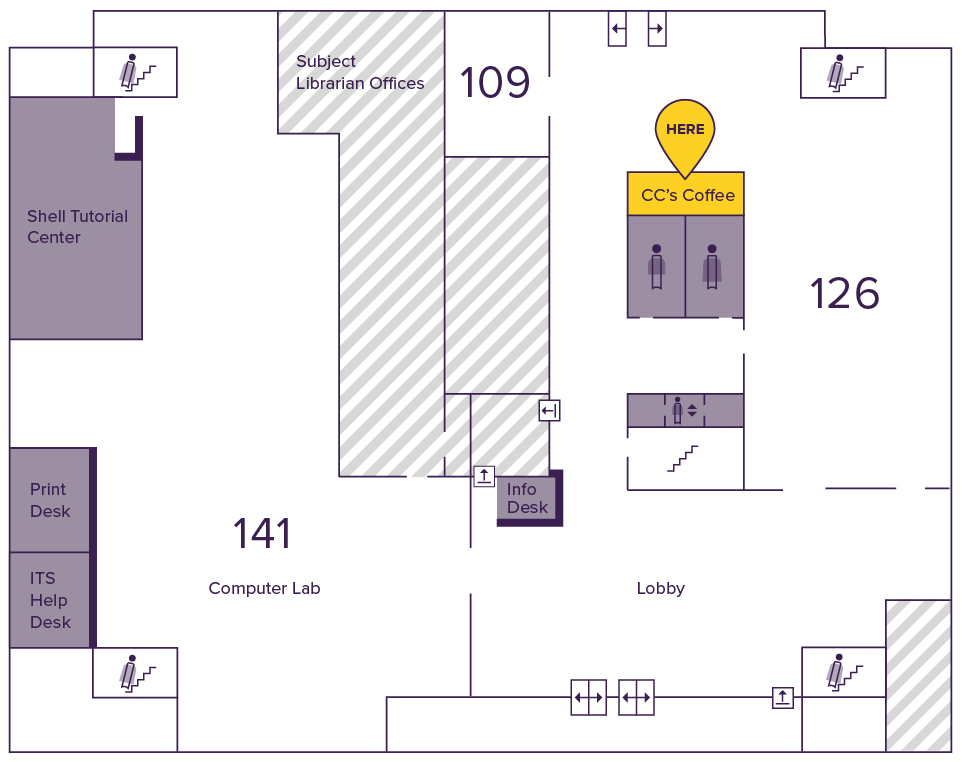
CC's Coffee House
Space
Tile Short Summary
Located at the first floor of the LSU Main Library.
expand
Tile Cover
People troubleshooting on a computer
Ask Us
Service
Tile Short Summary
Check our FAQs, submit a question using our form, or launch the chat widget to find help.

Gear

44

FAQ

169

Database Listing

375

Staff

101

Discovery

2062258
Can weekend catch-up sleep repay the sleep debt? Balancing short-term relief with long-term risks
Background: Sleep insufficiency, driven by modern fast-paced lifestyles, contributes to the accumulation of “sleep debt.” Many individuals attempt to compensate through weekend catch-up sleep (WCS). While WCS may temporarily relieve fatigue and enhance mood, its long-term health consequences remain controversial.Objective: To review and synthesize current evidence on the short-term benefits and long-term risks of WCS, with a focus on metabolic health, psychological well-being, cardiovascular health, and quality of life.Methods: Relevant literature was systematically reviewed, with emphasis on epidemiological, clinical, and experimental studies addressing the physiological and psychological impacts of WCS. Emerging technologies such as artificial intelligence and wearable devices were also considered for their potential role in sleep management.Results:WCS appears to provide partial short-term recovery by improving mood, reducing fatigue, and restoring cognitive performance. However, prolonged or irregular WCS may disrupt circadian rhythms, impair metabolic regulation, and increase risks of cardiovascular disease. Evidence suggests that while occasional WCS may be beneficial, it cannot fully offset the adverse effects of chronic sleep deprivation.Conclusions: WCS may offer transient relief but should not be considered a sustainable strategy for sleep debt repayment. Promoting consistent sleep schedules through public health interventions and education is essential. AI-assisted sleep tracking and wearable devices hold promise for individualized sleep optimization.Graphical abstract:
Differences in catch-up growth and its relationship to nutritional status between SGA and AGA twins and singletons in the first year after birth: a prospective cohort study
To compare the difference between appropriate for gestational age (AGA) and small for gestational age (SGA) of singleton and twin in terms of catch-up growth (CUG) and nutritional status in the first year after birth through a prospective cohort study. A total of 340 singleton and twin children were recruited. Dietary questionnaires were completed at enrollment and at 3 and 6 months of age. Anthropometric data were presented as Z scores. The Z score of weight, length and/or head circumference > − 2SD were used as criteria for CUG. The CUG rate of the twin AGA was the highest. Rapid CUG of twin SGA occurred within 3 months, and the CUG rate of weight was greater for twin SGA than for singleton SGA at 1 year old. The length CUG rate for twin SGA was the lowest within 3 months, 17.05% of the singleton SGA and 22.22% of the twin SGA did not reach CUG. The CUG was independent of feeding mode, and higher energy support did not improve CUG outcome. Twin AGA children have a better CUG rate, whereas CUG might take longer in SGA, especially for twin SGA. Higher energy support does not necessarily improve CUG outcomes.Trial registration number The study was registered in the Chinese Clinical Trial Registry with registration number ChiCTR2100053434 and was recorded in the medical research registry. Date of registration: Nov 21, 2021
Weekend catch-up sleep and frailty in US adults: a cross-sectional study from NHANES 2017–2020
Background: Frailty is an age-related condition characterized by vulnerability to adverse health outcomes. Adequate sleep may reduce frailty risk, many individuals rely on weekend catch-up sleep (WCS) to offset weekday deficits. However, the relationship between WCS and frailty remains poorly understood. This study aims to clarify the association between WCS and frailty.Methods: We conducted secondary data analyses using data from 7714 adult participants in the National Health and Nutrition Examination Survey (NHANES 2017–2020). Sleep duration was assessed through self-reported questions, while frailty was evaluated using the frailty index. WCS duration was then computed as the difference between weekend and weekday sleep durations, with WCS defined as WCS duration ≤ 0 h, 0–2 h, or ≥ 2 h. A frailty index of 0.25 or greater is considered frailty. Multivariate logistic regression analyses were conducted to explore the association between WCS and frailty.Results: In fully adjusted models, participants with 0–2 h of WCS had significantly lower odds of frailty (OR 0.709; 95% CI, 0.518–0.969; P = 0.035) compared to those with no WCS (≤ 0 h). However, the association was not significant for those with ≥ 2 h of WCS (OR 0.812; 95% CI, 0.550–1.200; P = 0.248). Subgroup analyses indicated no significant interaction across subgroups (P for interaction > 0.05).Limitations: The cross-sectional design limits our ability to infer causality, and the reliance on self-reported sleep data may introduce measurement bias. Additionally, the frailty index, while validated, may not capture all dimensions of frailty. Future longitudinal studies with objective sleep measurements are needed to confirm these findings.Conclusions: Our findings suggest that moderate WCS (0–2 h) may be associated with a lower prevalence of frailty, although the relationship is not linear and requires further investigation. These findings contribute to the emerging evidence base linking sleep patterns with frailty risk, warranting further prospective investigation.
Association of weekend catch-up sleep ratio with depressive risk: insights from NHANES 2021–2023
Background: Depression is a common global mental health issue, affecting around 3.8% of the population. It significantly impacts quality of life and social functioning, posing a major public health challenge. Sleep is a key factor influencing depression, with both sleep quality and quantity linked to mental health. However, sleep deprivation is widespread, and many people compensate by “weekend sleep recovery.” The effects of sleep deprivation and weekend recovery on depression risk are unclear, as irregular sleep patterns may worsen depressive symptoms. This study introduces the “Weekend Catch-up Sleep Ratio” (CUS ratio) to better understand the relationship between sleep patterns and depression.Methods: Cross-sectional data were obtained from individuals who participated in the 2021–2023 National Health and Nutrition Examination Survey (NHANES) and had complete data on CUS and the Patient Health Questionnaire (PHQ-9). Multivariable logistic regression was performed to assess the potential independent association between depression and the CUS ratio. Additionally, smoothing curve fitting, threshold effect analysis, subgroup analysis, and interaction tests were conducted.Results: A total of 4,656 individuals were analyzed, categorized by depression symptoms (PHQ-9 score of 10 or higher), with an overall depression risk of 12.4%. In the adjusted model, the CUS ratio was significantly positively associated with depression risk (AOR = 1.75, 95% CI: 1.25–2.45), exhibiting a nonlinear threshold effect (inflection point at 1.11). When the CUS ratio ≤ 1.11, an increase in the ratio was associated with a reduced depression risk (AOR = 0.34, 95% CI: 0.13–0.89), whereas when the CUS ratio > 1.11, each unit increase in the ratio significantly increased depression risk by 187% (AOR = 2.87, 95% CI: 1.84–4.50). Individuals with education levels of less than 9th grade, some college or an Associate of Arts (AA) degree, those who are overweight (25 ≤ BMI  1.11, each unit increase in the ratio significantly increased depression severity (Aβ = 0.36, 95% CI: 0.24–0.49). In particular, individuals without diabetes appeared more sensitive to fluctuations in sleep patterns.Conclusions: This study suggests that maintaining a balanced sleep pattern, with a CUS ratio between 1 and 1.11, may help reduce depression risk and promote better mental health.